
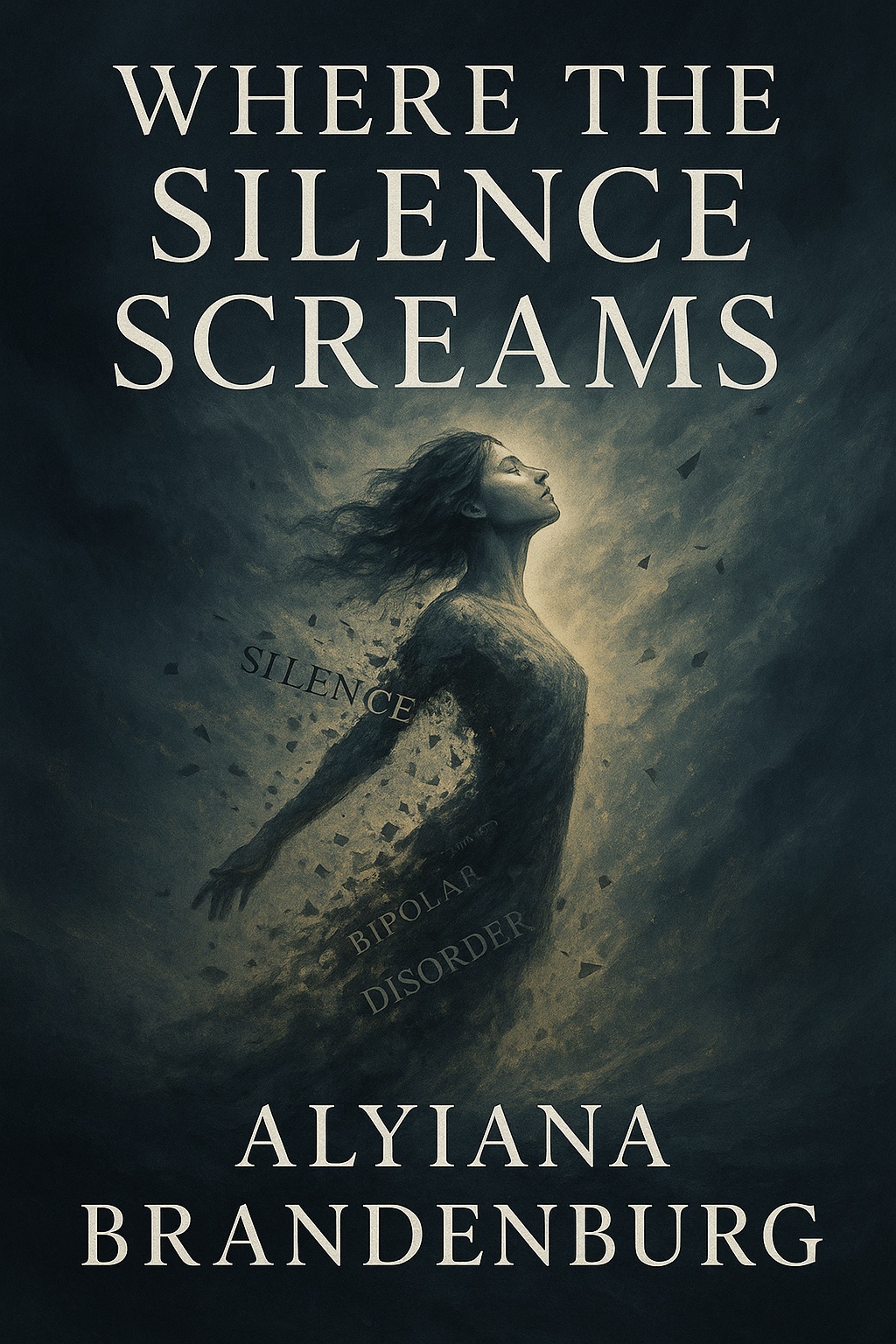
When you live in a home built on unstable ground, you learn not to trust your footing.
I grew up in a world where reality shifted without warning—where smiles could turn into screams in seconds, and love came laced with fear. I didn’t understand the rules because they kept changing. One moment I was a child, safe in the arms of someone I loved. The next, I was the target of their rage, the focus of their frustration, the mirror they couldn’t stand to look into.
I didn’t know this was abuse. I only knew that I was wrong. Wrong for speaking. Wrong for needing. Wrong for feeling too much.
The world tilted in those moments—sharp and sudden. It felt like stepping onto ground that moved beneath me, trying to walk straight while everything spun. I grew dizzy from pretending. Numb from surviving. And beneath it all, the storm inside me churned, unanswered and unseen.
I started to break in quiet ways.
My grades dropped. I stopped eating. I couldn’t sleep without nightmares. I cried in places no one could see.
No one asked. No one looked. No one wondered why I seemed to be disappearing.
And still, the world outside moved forward. People praised my resilience, my maturity, my independence. But those were just masks I wore to make it through the day. Inside, I was crumbling.
By the time adolescence hit, the emotional earthquakes became harder to manage. I started crashing more often—sinking into dark, hopeless places that felt impossible to climb out of. Then without warning, I would skyrocket—energized, reckless, impulsive. I didn’t know these were symptoms of bipolar disorder. I thought it was proof that I was crazy. That the brokenness I felt had finally swallowed me whole.
I remember begging the universe to make me normal. To let me wake up and feel okay for once. But normal never came. Only more tilting. More chaos. More shame.
The adults in my life told me to toughen up, to pray harder, to stop being so emotional. No one talked about mental health. No one named the illness. No one saw the wound.
And so I started believing that maybe I was the problem. That maybe I deserved the pain. That maybe I was too much—and somehow not enough—all at once.
When you’re young and hurting and no one helps you name that hurt, you turn the blame inward. You make yourself the villain. And the world keeps tilting.
It would be years before I found the language for what I was experiencing. Years before I understood that trauma leaves a mark. That bipolar disorder is not a flaw in character, but an illness. That surviving isn’t the same as healing.
But in those early days, all I knew was this: the world didn’t feel safe. My mind didn’t feel safe. And I didn’t know how to keep standing on a floor that never stopped shifting.

Leave a comment