
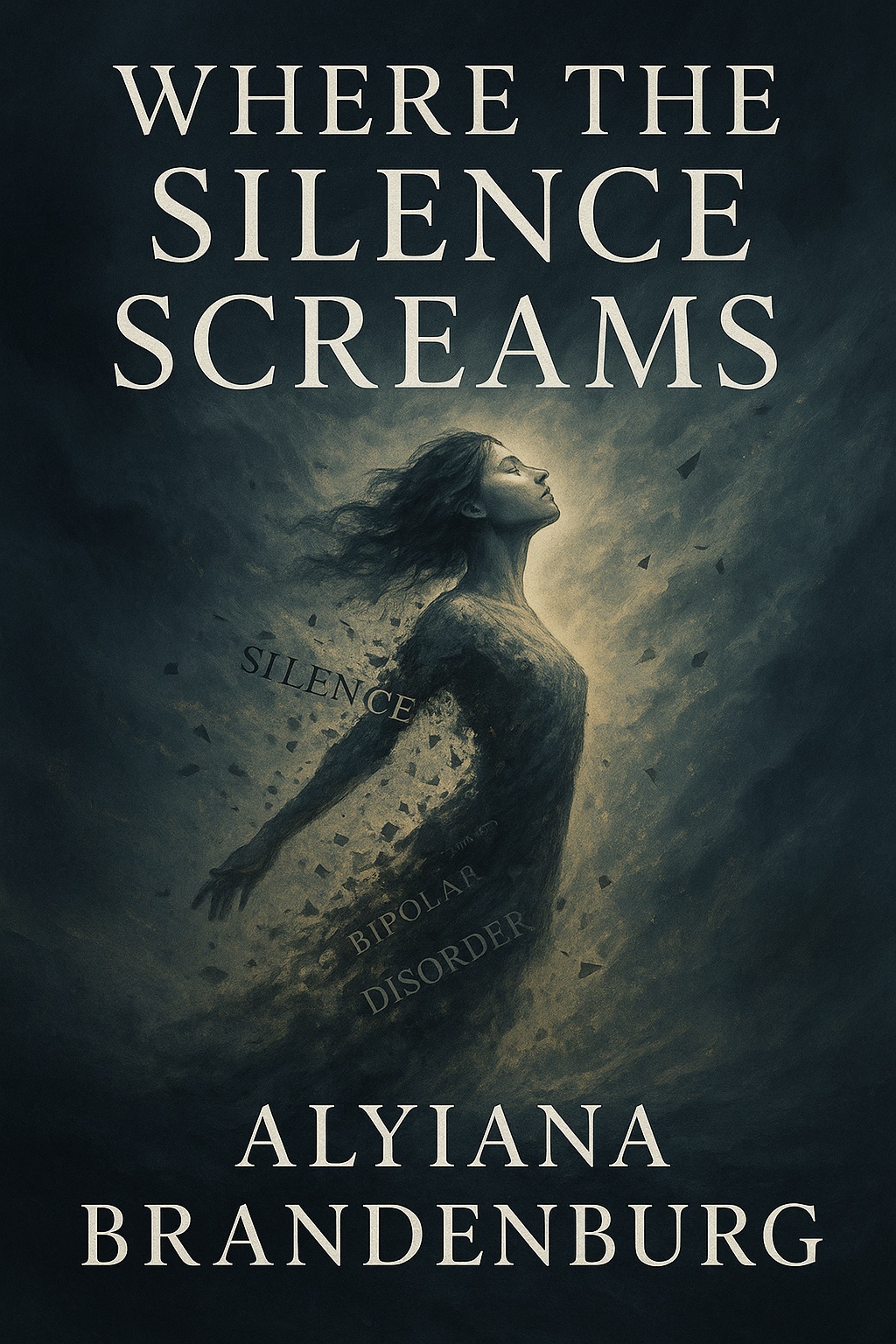
The diagnosis didn’t come with a map.
It came with silence.
I didn’t know how to tell anyone. I barely knew how to tell myself. “Bipolar disorder” felt like a mark—less a diagnosis than a scarlet letter. It wasn’t just something I had. It became something I feared others would use to define me.
At first, I whispered it to a few people. Testing their reactions like temperature checks. Some were kind, but unsure. Others were stunned into awkward pauses, their discomfort loud in the quiet that followed. And a few—without meaning to—made me feel like I’d said something shameful.
“You don’t seem bipolar.”
“Everyone has mood swings.”
“Just stay positive.”
Words meant to comfort. But instead, they erased me.
The worst stigma didn’t come from strangers.
It came from people I loved.
It came from the mirror.
I stood in front of my reflection and tried to remember who I was before the word bipolar wrapped itself around me like a second skin. I searched for the girl beneath the diagnosis. The girl who used to laugh freely, dream loudly, speak without apologizing for her existence. But all I saw were questions. Cracks. Fear.
There’s a loneliness in invisible illness that cuts deep.
You’re not bandaged. Not visibly bleeding. You look fine.
So people assume you are fine.
But beneath the polished surface, I was still fighting to stay upright. Still learning how to breathe in a world that felt built for someone else’s lungs.
So I did what I had always done: I hid.
I learned which truths were “too much.”
I learned how to filter myself into palatable fragments.
I became fluent in the language of pretending.
Selective honesty became survival. Vulnerability, a calculated risk. And silence? Sometimes it was safer than being misunderstood.
But silence is heavy.
It sits on your chest like a stone.
And every time you choose not to speak your truth, that stone grows.
Eventually, I couldn’t carry it anymore.
So I sought spaces where I didn’t have to explain my pain away. A support group where people didn’t flinch when I said the word mania. A therapist who looked me in the eye and didn’t blink. A friend who responded with love, not pity.
Those spaces saved me.
They reminded me that naming your truth isn’t weakness—it’s rebellion. It’s reclaiming your voice from a world that tried to mute it. It’s saying, I am still worthy, even when the world says otherwise.
The stigma hasn’t disappeared.
I still wrestle with it.
I still hesitate sometimes. Still feel that twinge of fear when I speak the words aloud.
But I speak them anyway.
Because every time I do, the silence breaks.
And in its place grows something louder, braver, and more honest than fear:
Truth.
And truth, I’ve learned, is the first step to freedom.

Leave a comment