
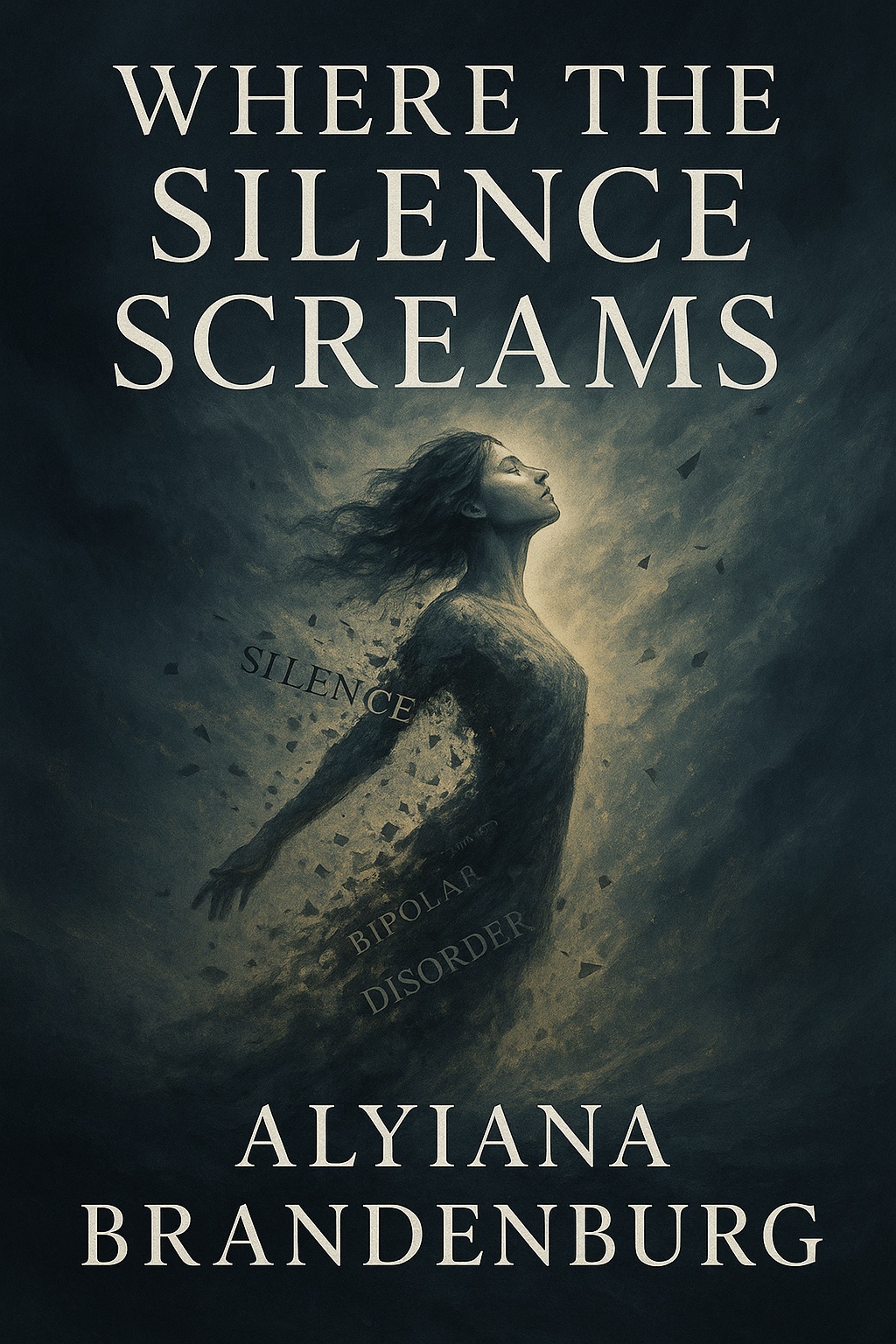
Bipolar disorder didn’t just affect me—it rippled out into every relationship I had.
I didn’t realize, at first, how often I had asked people to hold space for storms they couldn’t see. One moment I was electric—talkative, affectionate, on top of the world. The next, I was unreachable, quiet, buried in sadness. It wasn’t their fault they didn’t understand. I barely understood myself.
Some people stayed. Some didn’t. And I stopped blaming either.
Romantic relationships were the most confusing. I wanted connection, but I didn’t trust it. I pushed people away when I needed them most, then clung too tightly when I was afraid they’d leave. I wasn’t always easy to love—and sometimes I used that as an excuse to not let anyone try.
Friendships were quieter casualties. I canceled plans. Forgot to call back. Ghosted people without meaning to. Depression told me they didn’t care. Mania told me they were boring. Neither voice was true, but both were loud. Some friendships faded gently. Others ended in confusion or silence. And still… a few held on.
Recovery didn’t just mean learning to manage my moods. It meant learning to communicate, to own my actions without drowning in shame, to say “I’m sorry” and “Thank you for staying.” It meant letting people love the real me—not the performance, not the polished version I thought they needed, but the whole messy truth.
There were people who loved me through it—flaws, diagnosis, and all. And that love taught me how to start loving myself.
Slowly, I began to believe I was worthy of connection.
Not because I was fixed.
But because I was human.

Leave a comment