
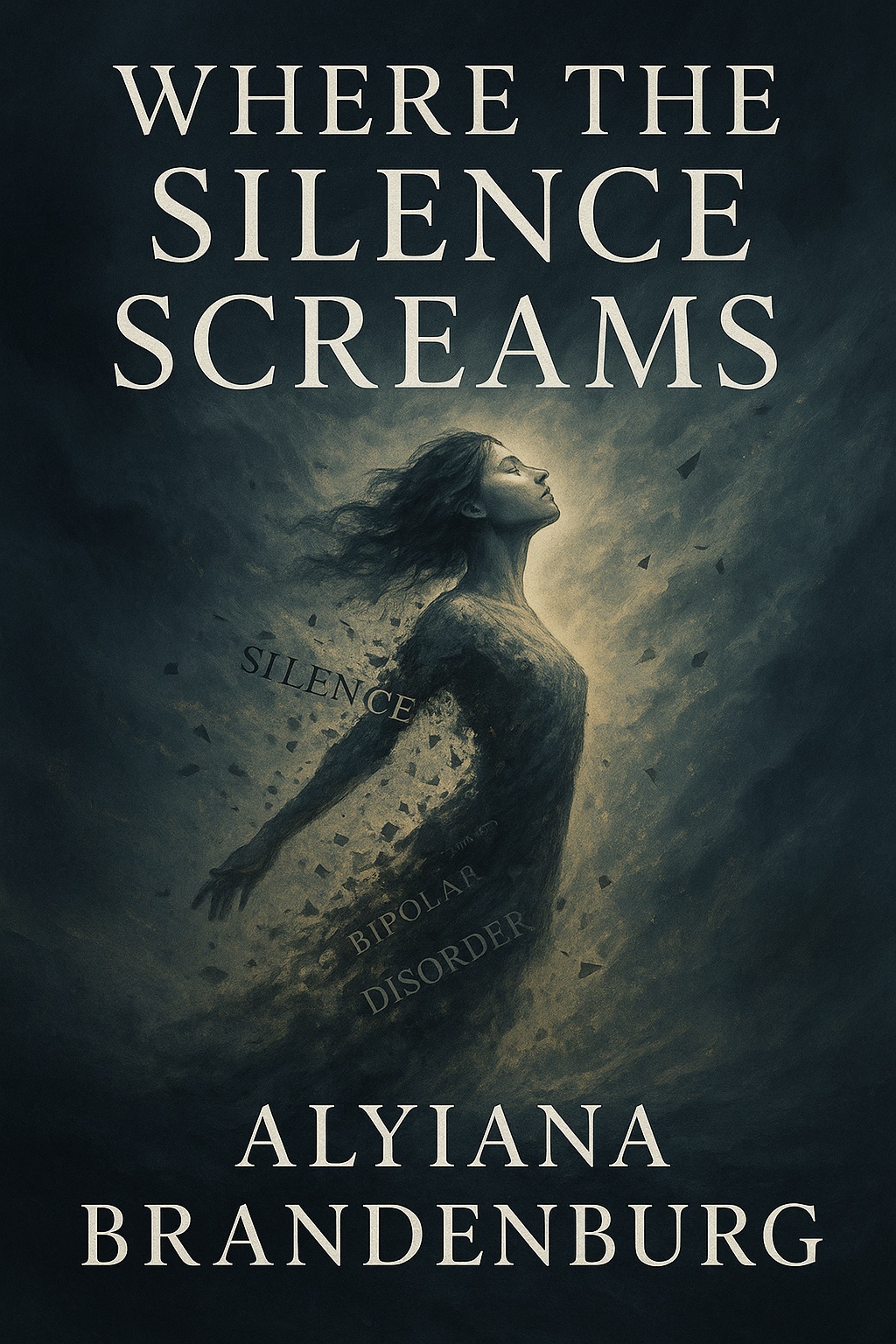
Work was always more than a paycheck for me. It was my mask, my armor, my way of proving I wasn’t broken. If I could show up, perform, overachieve—then maybe no one would notice the storm under my skin.
I threw myself into jobs like I was starving for them. The structure gave me a sense of control. The feedback gave me a fleeting sense of value. The grind became my drug—until it didn’t.
Because bipolar doesn’t care about your deadlines.
There were days I woke up and the thought of answering an email made me want to crawl out of my skin. There were weeks I operated on little sleep, riding waves of mania, fueled by caffeine and impulse and a dizzying high that made me feel unstoppable—until the crash came.
I tried to keep it hidden. I smiled in meetings. I cried in bathroom stalls. I sent polished reports with trembling hands and dark circles under my eyes.
No one saw the full picture. Not really. That was the most exhausting part.
Eventually, work became a battlefield between my symptoms and my silence. And I couldn’t keep pretending I was fine.
I had to grieve the version of me I thought I had to be to be worthy. I had to separate my job from my worth. I had to learn that my value isn’t tied to productivity, or appearances, or how many times I can show up when I’m breaking.
I am still enough—even when I need to rest.
I am still worthy—even when I step back.
I am not my output.
I am human.
And that is enough.

Leave a comment